

Relocating across the Pacific isn’t your everyday move.
When you start planning container shipping to Hawaii, it quickly becomes clear that moving to the islands requires a completely different approach than a standard mainland relocation.
Everything from logistics to timing to weather plays a role in how your belongings make the 2,500-mile ocean journey safely.
Understanding the Island Challenge
Hawaii’s beauty comes at a price — isolation.
Unlike continental moves, you can’t just drive a moving truck to your new home.
Every item must be carefully packed, loaded, and shipped by sea.
That’s where container shipping stands out as the most efficient, secure, and cost-effective way to make the move.
When my family decided to move from California to Maui, I quickly learned that ocean freight operates on strict schedules tied to vessel departures.
One missed deadline could delay everything by a week or more.
Planning became essential, and container shipping gave us the flexibility we needed to stay on track.
Why Containers Make a Difference
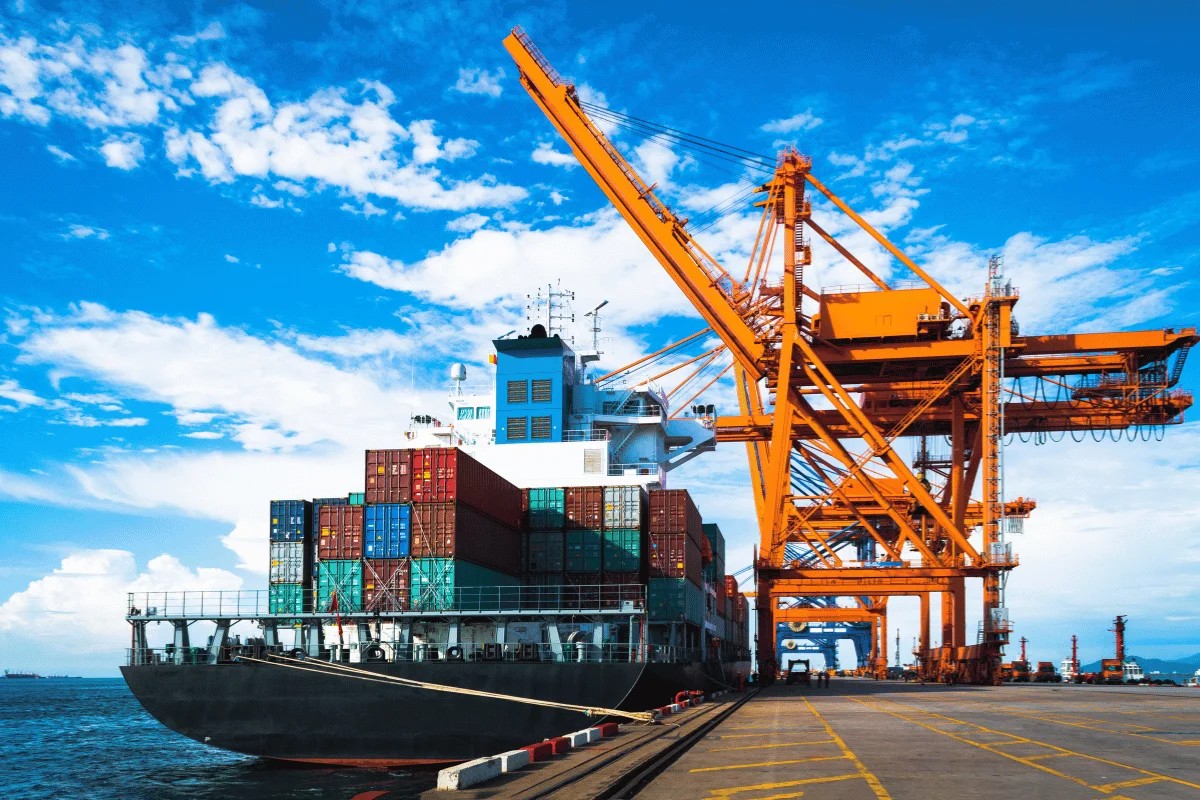
Shipping containers are the unsung heroes of modern relocation.
They come in multiple sizes — typically 20-foot and 40-foot units — offering protection against saltwater, humidity, and unpredictable Pacific weather.
Unlike air freight or smaller shipment options, containers can handle everything from furniture to vehicles, tools, and personal effects in one load.
During our move, I packed an entire home gym, several surfboards, and boxes of household essentials into a single 40-foot container.
Nothing shifted during transit, and everything arrived dry and undamaged — a testament to the reliability of this method.
container shipping to Hawaii offers flexibility that few other relocation options provide.
You can choose door-to-door, port-to-port, or a hybrid service depending on how hands-on you want to be with your move.
It’s the ideal balance between convenience and control.
The Process: From Mainland to Island
A successful move begins long before the container leaves the dock.
First, your container is delivered to your current location for packing.
This allows you to take your time — usually several days — to load items properly and ensure everything is secure.
Once sealed, the container is transported to a mainland port such as Los Angeles, Oakland, or Seattle, where it’s loaded onto a cargo ship bound for Hawaii.
Transit times vary depending on the destination island.
For example, Honolulu shipments typically take about five days at sea, while containers bound for Kauai or the Big Island may take a few days longer.
After arrival, local crews handle unloading and delivery right to your new doorstep.
Cost Considerations and Smart Planning
While ocean shipping may sound expensive, it’s often more affordable than people expect.
Costs depend on factors like container size, distance from the port, and whether you opt for full-service or self-pack shipping.
Compared to air freight, container shipping offers far greater capacity and value per cubic foot.
When I priced out my move, I found that a full 40-foot container — enough space for a three-bedroom home — cost roughly what I’d pay for a long-distance move within the mainland.
Plus, I had peace of mind knowing everything traveled together, under lock and seal.
Environmental and Safety Benefits
One of the lesser-known advantages of container shipping is sustainability.
Cargo vessels move massive loads using less fuel per ton than trucks or planes.
By consolidating your belongings into one sealed container, you reduce packaging waste and carbon emissions.
Safety is another major perk.
Containers are built to withstand harsh marine conditions, and reputable carriers use tracking systems to monitor shipments throughout the journey.
This means fewer surprises and more control during a complex move.
Real-Life Lessons from a Hawaii Move
No relocation goes perfectly, and mine was no exception.
The container arrived at the Honolulu terminal two days late due to rough seas, but communication from the shipping agent kept me in the loop.
Because we packed essentials separately and planned for a short delay, the hiccup didn’t disrupt our move-in.
That experience taught me the value of preparation — and how crucial it is to work with a team experienced in island logistics.
Another lesson? Label everything clearly.
When the container reached our Maui home, the local crew unpacked with precision because every box had a room name and priority sticker.
That simple step saved us hours of chaos on move-in day.
How to Prepare for Your Own Move
If you’re planning to relocate to Hawaii, here’s what worked best for us:
- Book early— Container space fills up fast, especially during summer.
- Declutter first— The less you ship, the more cost-effective it becomes.
- Protect electronics and wood furniture— Salt air and humidity can cause damage if not sealed properly.
- Document everything— Take photos of valuable items before packing.
- Stay flexible— Weather can affect sailing schedules, so always have a plan B.
By following these steps, you’ll make your transition to island life smoother and far less stressful.
Alternatives to Full Container Loads
Not everyone needs an entire container.
For smaller shipments or partial moves, companies offer shared container services, also known as Less Than Container Load (LCL).
This option lets you pay only for the space you use, making it ideal for singles, couples, or second-home owners moving lighter loads.
However, keep in mind that LCL shipping often takes longer since your items share space with other customers’ freight.
If timing is critical, a dedicated container remains the faster, more direct option.
Settling Into Island Life
Once your container arrives and you start unpacking, that’s when the adventure truly begins.
There’s something unforgettable about waking up in your new home surrounded by ocean breezes and knowing your entire household made the journey safely.
Whether you’re settling in Honolulu’s vibrant neighborhoods or a quiet corner of Kauai, container shipping offers a practical path to paradise living.
I remember the first morning after our move — sitting on the lanai with a cup of Kona coffee, listening to the surf, and feeling immense relief that the hardest part was over.
Every piece of furniture, every box of memories had survived the Pacific crossing intact.
That peace of mind is priceless.
Final Thoughts
Relocating to Hawaii is both exciting and complex, but it doesn’t have to be overwhelming.
Container shipping transforms what could be a logistical nightmare into a smooth, predictable process.
With the right planning, communication, and a bit of island patience, your belongings can make the same safe voyage that countless families and businesses complete every year.
Whether you’re moving for work, family, or the dream of island living, choosing a container shipping solution gives you control, reliability, and peace of mind.
And when that ship finally docks under the Hawaiian sun, you’ll know your journey — just like your container — arrived exactly where it was meant to.